

Typhoid Vaccination
Typhoid fever is a serious, systemic, and vaccine-preventable bacterial infection caused by Salmonella enterica serotype Typhi. It spreads primarily through the faecal-oral route, occurring when microscopic, undetectable traces of the bacteria—shed in the faeces or urine of an infected person or chronic carrier—are accidentally ingested via contaminated drinking water, unpurified ice, or food handled in unsanitary conditions. Unlike respiratory viruses, typhoid cannot be caught through casual air contact.
Primary Transmission Routes
Contaminated Water Supplies: Drinking untreated, unboiled, or poorly filtered local tap water is a major transmission route. This includes using ice cubes made from unsafe water sources or consuming beverages mixed with unpurified water while travelling.
Contaminated Food Sources: Eating food that has been washed, prepared, stored, or grown in contaminated conditions poses a high infection risk. Common culprits include:
Raw fruits and vegetables that have been rinsed or peeled by hand using unsafe water.
Street food or cooked meals left sitting at room temperature where flies or unwashed hands can introduce the bacteria.
Shellfish harvested from sewage-polluted coastal waters.
Close Personal Contact / Chronic Carriers: Living with or handling food for someone who has typhoid fever—or coming into contact with an asymptomatic chronic carrier who harbors the bacteria in their gallbladder—can also facilitate transmission if strict hand hygiene is neglected.
Common Symptoms
Once ingested, the bacteria multiply and enter the bloodstream, causing a prolonged systemic infection. Symptoms typically appear after an incubation period of 7 to 14 days (ranging from 3 to 60 days) and include:
Gradually worsening, prolonged high fever that can climb as high as 39°C to 40°C (102°F to 104°F).
Severe headache, profound fatigue, general weakness, and muscle aches.
Stomach pain, loss of appetite, and either constipation (common in adults) or diarrhoea (more frequent in children).
A characteristic flat, rose-colored rash (rose spots) on the chest and abdomen in some cases.
Note: If left untreated, typhoid fever can lead to severe complications such as intestinal hemorrhage or perforation, requiring urgent hospitalisation and intravenous antibiotic therapy.
Prevention and Protection
Because typhoid can cause severe, prolonged systemic illness, proactive medical defense is essential before travelling to endemic regions:
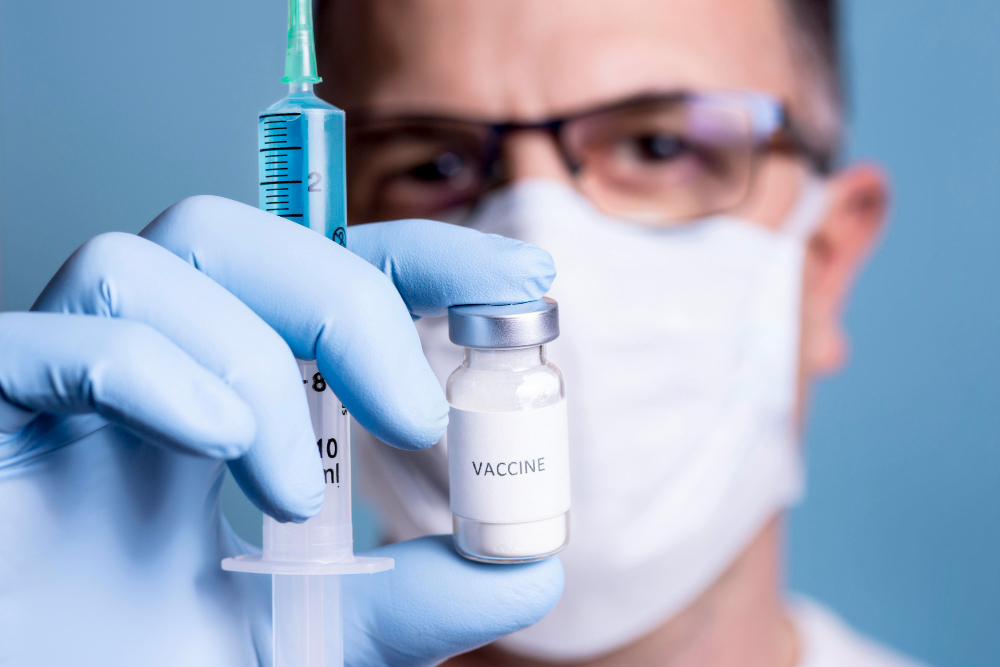
Typhoid Vaccination: Getting the private Typhoid Vaccine at Murrayfield Pharmacy provides vital active protection. It is available as a single injection or an oral capsule course, helping significantly lower your risk of contracting the disease.
Rigorous Food and Water Safety:
Drink and use only bottled, boiled, or chemically treated water for drinking, brushing teeth, and washing food.
Avoid ice cubes in beverages unless you are certain they were made from purified water.
Eat food that is completely cooked, piping hot, and served fresh. Peel your own fruit, and avoid raw salads or unpasteurized dairy.
Wash your hands frequently with soap and clean water before eating or handling food.

Service Price
Typhoid Vaccine
£40 Per doseNumber of Doses Required and When to Boost
Primary Course:
Injectable Polysaccharide Vaccine: Administered as a single dose given intramuscularly at least 2 weeks before travel.
Oral Live Vaccine: Taken as a course of three capsules (one capsule taken every other day), completed at least one week prior to travel.
Boosters:
For ongoing or repeated travel risk, a booster dose is recommended every 3 years for the injectable vaccine (or revaccination with the oral capsule course every 3 to 5 years) if you remain at continuous risk of exposure.
High-Risk Areas for Typhoid
Typhoid is rare in countries with high standards of water treatment and sanitation, but it remains a significant public health risk in developing regions. High-risk areas include:
The Indian Subcontinent: Countries such as India, Pakistan, and Bangladesh bear a very high burden of typhoid cases.
Parts of Southeast Asia and East Asia: Rural and urban areas with compromised municipal sanitation infrastructure.
Sub-Saharan Africa and Latin America: Regions with limited access to clean drinking water and proper wastewater management systems.
Frequently Asked Questions
