
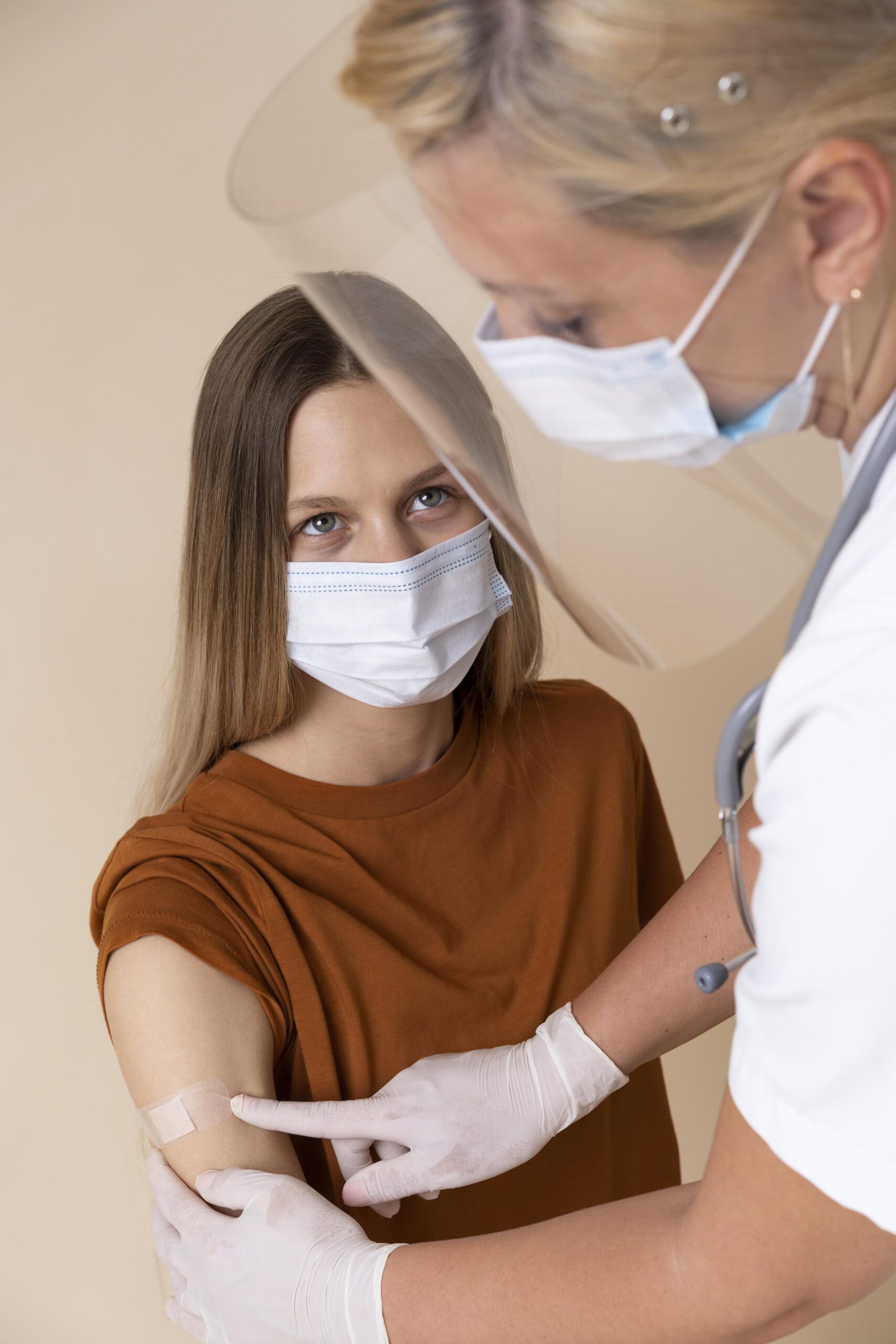
Human Papillomavirus (HPV) Vaccination Service
Human Papillomavirus (HPV) is an extremely common, vaccine-preventable viral infection that affects the skin and moist mucous membranes of the body. It is transmitted primarily through direct skin-to-skin contact during intimate activity. HPV is so widespread that the majority of sexually active people will acquire it at some point in their lives, often without ever realizing it because the virus frequently causes no initial symptoms.
Primary Transmission Routes
Sexual Contact: HPV is spread most commonly through vaginal, anal, or oral sex, as well as intimate genital-to-genital contact. Penetration is not required for transmission; the virus can pass between partners via microscopic breaks in the skin or mucosal surfaces during close physical contact.
Skin-to-Skin Intimate Contact: Because the virus lives in the skin, transmission can occur through direct contact with infected areas that may not be fully covered by barrier contraception.
Mother-to-Child Transmission: In rare instances, an expectant mother with an active genital HPV infection can pass the virus to her newborn infant during childbirth, which can occasionally lead to rare complications such as respiratory papillomatosis.
Common Symptoms
In the vast majority of cases, the human immune system clears the HPV infection naturally within one to two years without causing any health problems. However, when the virus persists, different high-risk and low-risk strains can lead to distinct outcomes:
Asymptomatic Carriage: Most people infected with HPV have no symptoms at all and clear the virus completely on their own.
Genital Warts: Low-risk strains (most notably types 6 and 11) can cause benign, painless, flesh-colored bumps or growths in the genital, anal, or surrounding skin areas.
Cellular Changes & Cancers: High-risk strains (such as types 16 and 18) do not cause warts but can cause persistent cellular changes over many years. If left undetected and unmanaged, these high-risk strains can eventually lead to cervical, anal, penile, vaginal, vulvar, or throat cancers.
Prevention and Protection
Because HPV is so easily transmitted and often symptomless, proactive medical defense is critical:
HPV Vaccination: Getting the private HPV Vaccine course at Murrayfield Pharmacy provides powerful, proactive protection against the most dangerous high-risk strains responsible for cancers as well as the strains that cause genital warts. Vaccination is most effective before becoming sexually active, but it remains highly beneficial for older teens, young adults, and individuals with new partners.
Barrier Contraception: Consistently using condoms during sexual activity helps reduce the risk of transmission, though they do not offer absolute protection because the virus can affect skin outside the covered area.
Routine Screening: Attending regular cervical screening (smear tests) and health check-ups allows clinicians to detect early cellular changes long before any cancer can develop.

Service Price
HPV Vaccine
£165 Per doseNumber of Doses Required and When to Boost63
Primary Course (Age-Dependent):
Adolescents and young adults (typically under age 15): Often prescribed a 2-dose schedule, with the second dose given 6 to 12 months after the first.
Adults aged 15 through 45: A strict 3-dose schedule is required, typically administered at 0, 2, and 6 months (with a minimum interval of 1 month between the first and second doses, and 3 months between the second and third doses).
Immunocompromised Individuals: People who are HIV-positive or have weakened immune systems require a 3-dose course regardless of age.
Boosters: Routine booster doses are not currently recommended by health authorities following the completion of a full primary course, as current evidence shows long-lasting protection.
High-Risk Areas for HPV
Unlike regional travel diseases restricted to specific countries or tropical climates, HPV is found worldwide with no geographic boundaries or high-risk travel zones.
Global Prevalence: HPV circulates in every country and community globally.
Demographic Vulnerability: Anyone who is sexually active is at risk of exposure regardless of where they live or travel, making universal immunisation and regular health screenings the most reliable defense for both men and women.
Frequently Asked Questions
