
Cholera Vaccination
Cholera is an acute, potentially severe, and highly contagious diarrhoeal infection caused by ingesting the bacterium Vibrio cholerae. The disease is intimately linked to environments where sanitation infrastructure is inadequate, wastewater management fails, and access to safe, clean drinking water is compromised. When these conditions occur, the bacteria multiply rapidly and contaminate local water sources and food supplies, creating major transmission risks.
Primary Transmission Routes
Contaminated Water Supplies: Drinking untreated, unboiled, or poorly filtered local water is the single most common way to contract cholera. This includes consuming local tap water, using ice cubes made from unsafe water sources, or drinking beverages mixed with contaminated water in high-risk regions.
Contaminated Food Sources: Eating food that has been washed, prepared, stored, or grown in unsanitary conditions poses a massive infection risk. Common culprits include:
Raw or undercooked seafood (especially oysters, clams, and other shellfish harvested from polluted coastal waters).
Unwashed fruits and vegetables that have been rinsed or peeled by hand using contaminated water.
Street food or cooked meals left sitting at room temperature in warm climates where flies or unwashed hands can introduce the bacteria.
Poor Personal Hygiene: Inadequate handwashing after using the restroom or caring for an infected person can facilitate secondary household spread, although person-to-person transmission is less common because it requires a relatively high dose of bacteria to trigger illness.
Common Symptoms
Once ingested, the bacteria colonise the small intestine and produce an enterotoxin that causes rapid, massive fluid and electrolyte loss. Symptoms typically appear suddenly after an incubation period ranging from 12 hours to 5 days, and include:
Sudden, painless, profuse watery diarrhoea (often described as pale, cloudy "rice-water stools").
Frequent vomiting and nausea that can begin alongside the diarrhoea.
Rapid, severe dehydration resulting in sunken eyes, dry mucous membranes, extreme thirst, muscle cramps, and profound circulatory collapse if fluids are not immediately replenished.
Note: While many infections cause mild or no symptoms, severe cases can lead to fatal dehydration and shock within hours if left untreated.
Prevention and Protection
Because cholera can cause life-threatening dehydration within a very short timeframe, proactive defense is critical for travellers visiting endemic zones or regions experiencing active outbreaks:
Oral Cholera Vaccination: Receiving the oral cholera vaccine course before your trip builds targeted mucosal immunity in your gut, significantly lowering your risk of contracting the infection.
Strict Food and Water Precautions:
Drink and use only bottled, boiled, or chemically treated water for drinking, brushing teeth, and washing food.
Avoid ice cubes in drinks unless you are certain they were purified.
Eat food that is completely cooked, piping hot, and served fresh. Peel your own fruits, and strictly avoid raw salads or shellfish.
Practice rigorous hand hygiene, washing your hands frequently with soap and clean water before handling food or eating.

Service Price
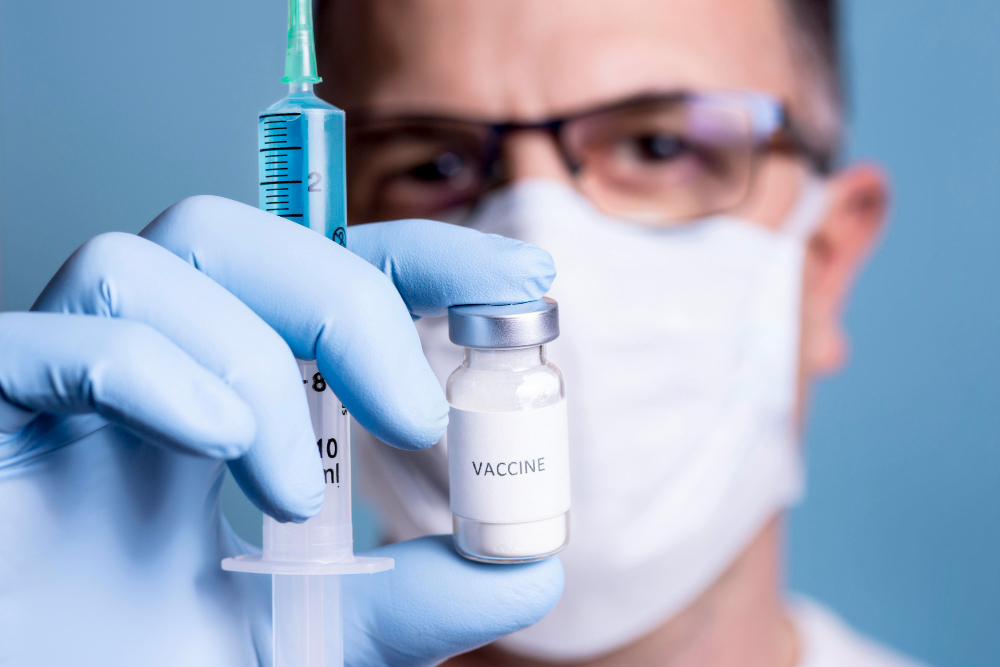
Cholera Vaccine ( dukoral )
£90.45 Per doseNumber of Doses Required and When to Boost
Primary Course: The oral cholera vaccine (such as Dukoral) typically requires a primary course of two doses taken orally, usually spaced between 1 week and 6 weeks apart, completed at least one week before potential exposure. (For children aged 2 to 6, a three-dose course is required).
Boosters:
For ongoing or repeated travel risk, a single booster dose is recommended within 2 years for adults and children aged 6 years and older (or within 6 months for children aged 2 to 6 years) to maintain protective immunity.
High-Risk Areas for Cholera
Cholera is not found in regions with modern sanitation and water treatment infrastructure, but it remains widespread in parts of the world facing poverty, conflict, natural disasters, or infrastructural breakdown. High-risk areas include:
Parts of Sub-Saharan Africa: Regions experiencing seasonal outbreaks or humanitarian crises affecting water safety.
Parts of South Asia: Areas with dense populations and vulnerable water sanitation networks.
Latin America and the Caribbean: Select regions with compromised municipal water systems or active outbreak zones.
Disaster and Conflict Zones: Refugee camps, temporary settlements, or areas recovering from earthquakes, floods, or hurricanes where clean water access is temporarily destroyed.
Frequently Asked Questions
