
115 Corstorphine Rd, Edinburgh EH12 5PZ, UK

Call us : 0131 337 5100

Travel vaccinations

Diphtheria, Tetanus and Polio (DTP) Vaccination Service

Essential booster jabs to secure lifelong immunity against three critical bacterial and viral threats. Get certified immunization from our 5 Star Rated expert team at Murrayfield Pharmacy, open today.
Why Patients Choose Us for Dengue Care

5 Star Rated Expert Team

Your care is overseen by GPhC-registered clinicians at our premier Edinburgh Travel Clinic who understand varicella immunity and safety protocols inside and out.

Convenient Location & Open Today

Visit our private clinic suite for a same-day appointment or walk-in appointment when searching for a trusted clinic near me.

Discreet & Efficient

We respect your time. Book today or book now to enjoy a private, professional consultation with zero primary care bottlenecks.

Regulated & Authentic

Every vaccine we supply is 100% authentic, cold-chain compliant, and fully traceable.

Diphtheria, Tetanus and Polio (DTP) Vaccination

Diphtheria, Tetanus and Polio (DTP) Vaccination

Maintain your baseline immunity against three life-threatening bacterial and viral infections with a single combined booster at Murrayfield Pharmacy

Diphtheria, tetanus, and polio are three serious, potentially life-threatening infectious diseases caused by powerful bacteria or viruses. Although grouped together for immunisation, each disease spreads through entirely different mechanisms:

Primary Transmission Routes

  • Diphtheria: Caused by the bacterium Corynebacterium diphtheriae, it spreads primarily through airborne respiratory droplets when an infected person coughs or sneezes. It can also spread less commonly through direct contact with skin lesions or ulcers from infected individuals.

  • Tetanus: Caused by the bacterium Clostridium tetani, tetanus is not transmitted from person to person. Instead, bacterial spores found universally in soil, dust, and animal faeces enter the body through breaks in the skin, such as cuts, scrapes, puncture wounds from dirty nails or thorns, animal bites, or burns.

  • Polio (Poliomyelitis): Caused by poliovirus, it spreads primarily via the faecal-oral route (ingesting food or water contaminated with infected faecal matter) or less frequently through airborne respiratory droplets in close-contact settings.

Common Symptoms

  • Diphtheria: Manifests as a sore throat, low-grade fever, and a characteristic thick, greyish-white membrane that forms in the back of the throat or tonsils, which can obstruct breathing and produce dangerous toxins that damage the heart and nerves.

  • Tetanus: Causes painful muscle spasms and severe stiffness (often starting in the jaw, earning it the name "lockjaw"), difficulty swallowing, neck muscle rigidity, and violent whole-body muscle contractions triggered by minor stimuli like drafts or noise.

  • Polio: Many infections are asymptomatic, but when the virus invades the central nervous system, it causes fever, fatigue, headache, vomiting, and stiffness in the neck, which can rapidly progress to irreversible paralysis and permanent muscle weakness.

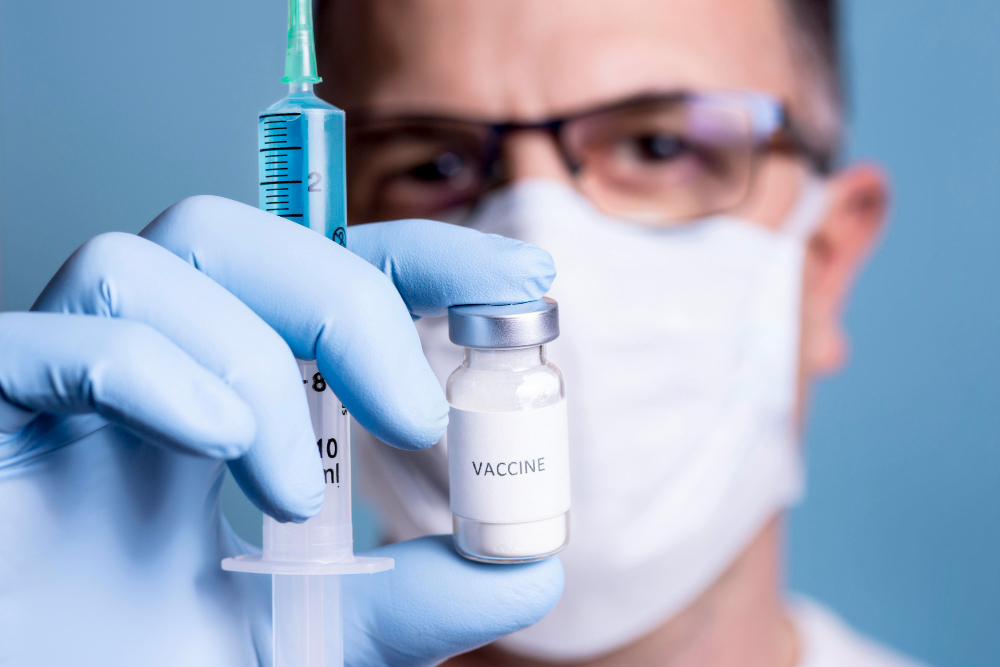
Prevention and Protection

Because these diseases carry severe risks of paralysis, suffocation, or organ failure with no cure once established, proactive vaccination is essential:

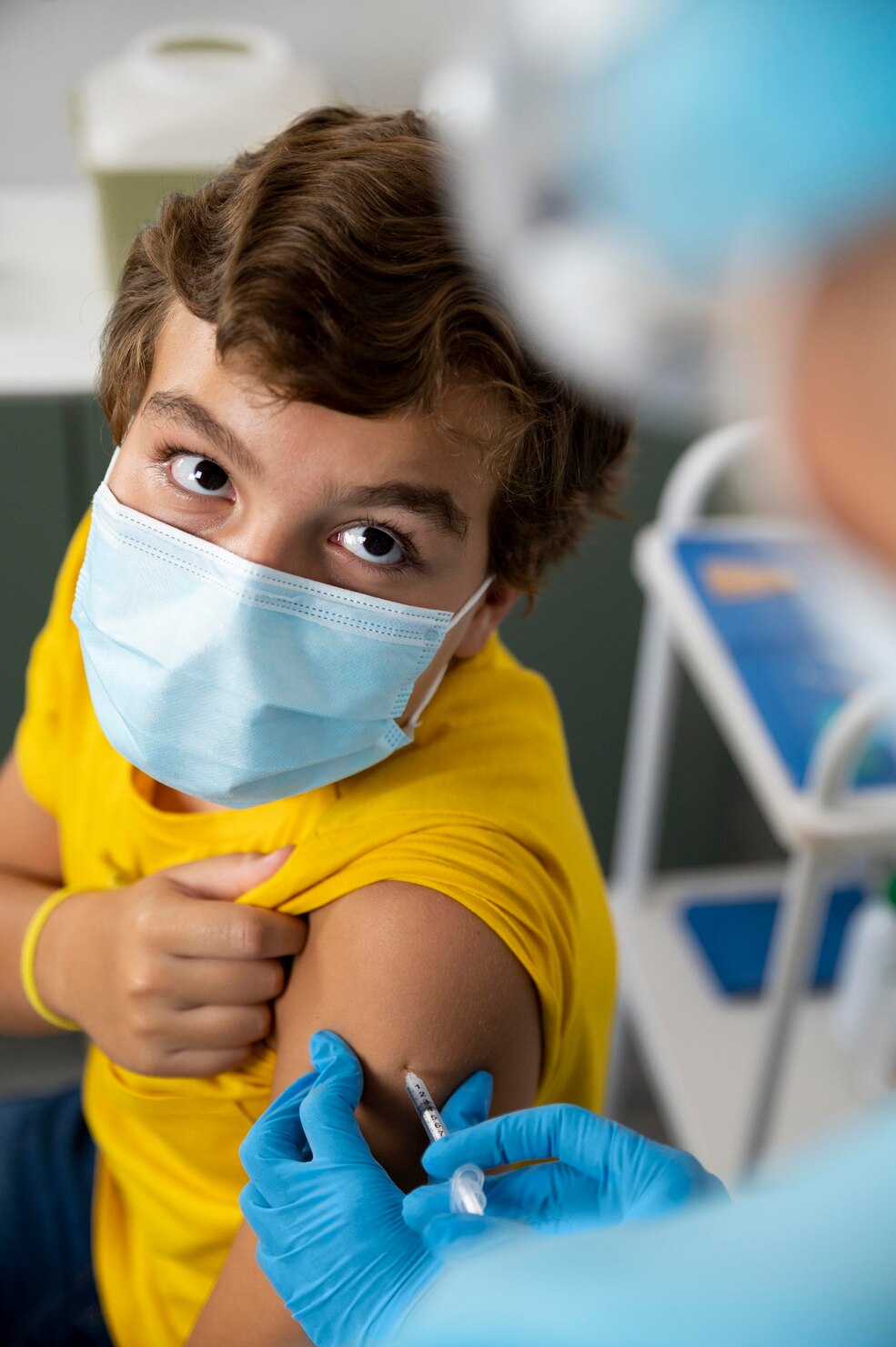
  1. DTP / Booster Vaccination: Getting the combined Diphtheria, Tetanus, and Polio Vaccine (often administered as a single booster injection, such as Revaxis) at Murrayfield Pharmacy provides rapid, robust active protection against all three pathogens.

  2. Wound Management: For tetanus protection, ensure any deep cuts, puncture wounds, or animal bites are immediately and thoroughly washed with soap and clean water, treated with antiseptic, and evaluated professionally in case a tetanus booster or wound-specific immunoglobulin is required.

  3. Food & Water Safety: When travelling to regions with active polio circulation, practice rigorous hand hygiene and consume only safe, purified drinking water.
Prevention and Protection

Service Price

DTP Vaccine
ÂŁ40 Per dose
If you travel to a risk area, you may need the DTP vaccine. Whether you require this booster depends on the date of your last vaccination.
PRICE
ÂŁ 40/ dose
COURSE REQ.
1 dose

Number of Doses Required and When to Boost

  • Primary Course: Most adults in the UK received a full primary course during childhood. If you have never been immunised, a primary course of three doses is required.

  • Boosters:

    • For lifelong protection, a single booster dose (such as a combined DTP vaccine) is recommended every 10 years for individuals travelling to countries where these diseases are endemic or where healthcare access is limited.

    • A single booster dose is also frequently recommended prior to travel if it has been more than 10 years since your last dose, or immediately following certain dirty or deep injuries.

High-Risk Areas for Diphtheria, Tetanus, and Polio

  • Tetanus: Found globally in soil and dust worldwide, meaning the risk of exposure via cuts and scrapes exists in every country regardless of development level.

  • Diphtheria & Polio: While routine childhood immunisation has eliminated or drastically reduced cases in the UK, Western Europe, and North America, outbreaks or endemic transmission still occur in parts of:

    • South and Southeast Asia.

    • Sub-Saharan Africa.

    • Parts of the Middle East and Eastern Europe experiencing infrastructural breakdown, conflict, or low routine vaccination coverage.

Frequently Asked Questions

How often do I need a routine DTP booster dose?
For optimal lifelong protection—especially if travelling to areas with poor sanitation or healthcare access—a booster is generally recommended every 10 years.
What should I do if I cut myself while travelling and cannot remember my last tetanus shot?
If you sustain a tetanus-prone wound and your vaccination status is uncertain or outdated over 5–10 years, you should seek urgent medical assessment for a booster dose and possible wound management.
Is the combined DTP booster suitable if I am pregnant?
While routine DTP boosters are avoided unless necessary, a specific pertussis-containing variant is routinely given in pregnancy, and our clinicians will evaluate your exact clinical needs safely.
What does the DTP vaccine protect against?
The combined DTP (or DTaP/Tdap/IPV depending on the specific booster formulation) vaccine protects against three serious, potentially life-threatening bacterial and viral infections:Diphtheria: A serious bacterial infection that produces a thick toxin in the back of the nose or throat, making it difficult to breathe or swallow, and potentially causing heart and nerve damage.Tetanus (Lockjaw): A severe bacterial infection caused by spores found in soil, dust, and animal waste entering through broken skin, leading to painful muscle spasms and lockjaw.Polio: A debilitating viral disease that attacks the nervous system and can cause irreversible paralysis within hours.
Who should get the DTP booster vaccine for travel?
General Travellers: Adults and children travelling to countries with poor sanitation, low vaccination rates, or active outbreaks of diphtheria, polio, or tetanus.Routine Boosters: Anyone who has not had a booster dose in the past 10 years, particularly healthcare workers, aid workers, and adventure travellers.Long-Term or Remote Travel: Essential for individuals visiting regions where medical care is difficult to access.
How many doses are required and when should I get a booster?
Primary Course: If you were fully vaccinated as a child, you require a single booster dose to refresh your immunity. If you have never been vaccinated before, a primary course of three doses is required.Boosters for Travel: For most travellers visiting at-risk areas, a single booster dose is recommended if your last dose was more than 10 years ago.High-Risk Travel (Polio): For travel to certain countries experiencing circulating vaccine-derived poliovirus, international health regulations may require a booster dose administered between 4 weeks and 12 months prior to travel to ensure a valid certificate.
How long before travel should I get vaccinated?
You should receive your DTP booster at least 10 to 14 days before departure to allow your immune system sufficient time to update and maximize your protective antibody levels before you arrive at your destination.
What are the common side effects of the vaccine?
Side effects are generally mild and clear up on their own within a few days. They can include:Soreness, redness, swelling, or a small hard lump at the injection site in the upper arm.A mild, low-grade fever or feeling slightly fatigued.Mild headache or minor muscle and joint aches.

Book Now

Loading...

Ready for Your Next Adventure?

Don’t leave your health to chance. Secure your peace of mind and get ready to enjoy your trip to the fullest.
×