
Chickenpox Vaccination
Chickenpox is an exceptionally contagious, vaccine-preventable viral infection caused by the varicella-zoster virus. It spreads with remarkable ease from person to person, primarily affecting individuals who have never contracted the virus before or never received the immunization. The virus thrives in close-contact environments, making household, school, and community transmission very common when an infected individual is contagious.
Primary Transmission Routes
- Direct Contact with Blister Fluid: The virus spreads most efficiently through direct physical contact with the fluid inside active chickenpox blisters. Touching an open sore or the blistering rash of an infected person easily transfers infectious viral particles.
- Airborne Respiratory Droplets: When an infected person coughs, sneezes, or talks, microscopic viral droplets are projected into the surrounding air. Inhaling these airborne droplets in closed spaces or shared rooms can lead to rapid transmission.
- Indirect Contact: You can contract chickenpox by touching contaminated inanimate objects or surfaces—such as unwashed clothing, bedding, towels, or toys—that have recently been exposed to blister fluid or respiratory secretions from someone with active chickenpox.
- Shingles Reactivation Link: The varicella-zoster virus remains dormant in nerve tissues after a previous childhood infection and can reactivate later in life as painful shingles. If someone has active shingles blisters, direct contact with that fluid can cause chickenpox in an unprotected person who has never had the virus or vaccine.
Common Symptoms
Once exposed to the virus, symptoms typically manifest after an incubation period of 10 to 21 days (most commonly appearing around 14 to 16 days). Common signs include:
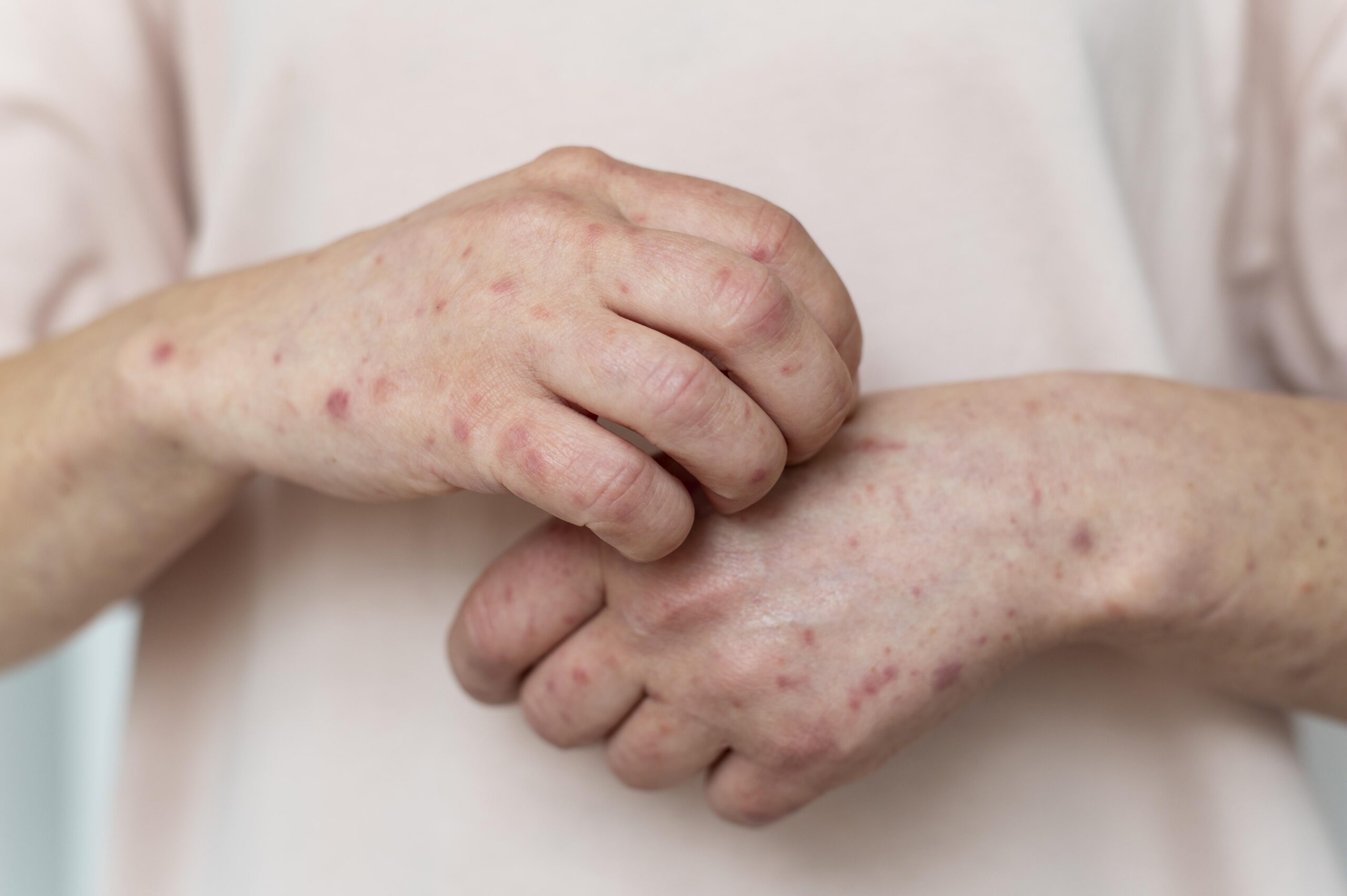
A classic, intensely itchy blister-like rash that typically originates on the face, chest, and back before spreading across the rest of the body.
Successive waves of spots that turn into fluid-filled blisters, which eventually crust over and form dry scabs.
A mild fever, profound fatigue, general malaise, and loss of appetite occurring just before or alongside the onset of the rash.
Note: While children usually experience a standard, manageable illness, teenagers, adults, pregnant women, and immunocompromised individuals face a significantly higher risk of severe complications, including secondary bacterial skin infections or pneumonia.
Prevention and Protection
Because chickenpox causes widespread discomfort and potential secondary health risks, proactive defense is highly recommended:
Chickenpox Vaccination: Getting the private Chickenpox Vaccine at Murrayfield Pharmacy delivers safe, effective, and proactive active immunisation through a two-dose course designed to build robust, long-term immunity for children and adults.
Avoid Exposure & Isolate: The best way to avoid catching chickenpox is to steer clear of close contact with anyone who currently has active chickenpox or shingles until all their blisters have completely crusted over.
Strict Hand Hygiene: Wash hands thoroughly and frequently with soap and water after touching contaminated surfaces, bedding, or caring for someone with the virus.

Service Price
Chickenpox Vaccine -One Dosage
£79.99 Per doseNumber of Doses Required and When to Boost
Primary Course:
Children and Adults: A standard primary course requires two doses. For children, these are typically spaced 4 to 8 weeks apart (or 3 months apart for infants aged 9 to 12 months).
Boosters:
Further booster doses are not needed. Clinical studies demonstrate that completing the two-dose primary course provides long-lasting, highly reliable protection (around 98% in children and 75% in adults) without requiring routine scheduled boosters.
High-Risk Areas & Environments for Chickenpox
Unlike travel-specific diseases restricted to specific countries or tropical climates, chickenpox is found worldwide and is not tied to specific countries or geographic borders. Instead, high-risk transmission environments include:
Schools, Nurseries, and Playgroups: Close indoor group settings where young children congregate facilitate rapid viral spread.
Households and Family Homes: If one household member contracts chickenpox, unimmunised siblings or adult family members have a greater than 90% chance of catching it without prior immunity.
Healthcare and Closed Communities: Wards, university residential halls, and barracks where unexposed adults live or work in close proximity.
Frequently Asked Questions
