

115 Corstorphine Rd, Edinburgh EH12 5PZ, UK

Call us : 0131 337 5100

Travel vaccinations

Pneumonia Vaccination Service

Robust pneumococcal defence tailored for older adults and individuals with underlying health conditions. Get expert immunisation from our 5 Star Rated expert team at Murrayfield Pharmacy, open today.
Why Patients Choose Us for Pneumonia Care

5 Star Rated Expert Team

Your care is overseen by GPhC-registered clinicians at our premier Edinburgh Travel Clinic who understand varicella immunity and safety protocols inside and out.

Convenient Location & Open Today

Visit our private clinic suite for a same-day appointment or walk-in appointment when searching for a trusted clinic near me.

Discreet & Efficient

We respect your time. Book today or book now to enjoy a private, professional consultation with zero primary care bottlenecks.

Regulated & Authentic

Every vaccine we supply is 100% authentic, cold-chain compliant, and fully traceable.

Pneumonia Vaccination

Pneumonia Vaccination

Robust protection against invasive pneumococcal disease, pneumonia, meningitis, and severe secondary bacterial complications.
Pneumonia is an inflammatory infection that affects one or both lungs, causing the tiny air sacs (alveoli) to fill with pus and fluid, which makes breathing painful and restricts oxygen intake. It can be caused by a wide range of infectious pathogens, including bacteria (most commonly Streptococcus pneumoniae), viruses (such as influenza, respiratory syncytial virus, or SARS-CoV-2), and fungi. Unlike specific single-source infections, pneumonia often develops as a secondary complication after a viral upper respiratory tract infection, flu, or common cold.

Primary Transmission Routes

  • Respiratory Droplets: Most pneumonia-causing pathogens spread through airborne droplets when an infected person coughs, sneezes, talks, or laughs, and those droplets are inhaled by someone nearby.

  • Aspiration of Oral or Throat Secretions: Bacteria and microbes that naturally colonise the upper respiratory tract (nose and throat) can occasionally be aspirated or drawn down into the lower airways and lungs, particularly during sleep or when the immune system is weakened.

  • Direct Contact: Touching contaminated surfaces or objects that carry infectious respiratory secretions and then touching your nose, mouth, or eyes can also facilitate transmission.

Common Symptoms

Symptoms of pneumonia can develop suddenly or come on gradually over a few days, varying depending on whether the infection is bacterial or viral. Common signs include:

  • A persistent cough that often produces thick yellow, green, or blood-tinged mucus (phlegm).

  • Fever, chills, and profuse sweating.

  • Sharp or stabbing chest pain that worsens when you breathe deeply or cough.

  • Shortness of breath, rapid breathing, fatigue, confusion (particularly in older adults), and a general feeling of severe weakness.

Note: While mild pneumonia can be managed at home with antibiotics or supportive care, severe cases can lead to respiratory failure, fluid surrounding the lungs (pleural effusion), or sepsis, requiring urgent hospitalisation.

Prevention and Protection

Because pneumonia can be debilitating—especially for young children, older adults, and those with underlying health conditions—proactive medical defense is crucial:

  1. Pneumococcal Vaccination: Getting the private Pneumococcal Vaccine (such as Pneumovax or Prevenar) at Murrayfield Pharmacy provides vital active protection against the most common bacterial causes of invasive pneumococcal disease and pneumonia.

  2. Annual Flu Vaccination: Because influenza is a major trigger for secondary bacterial pneumonia, getting your yearly flu jab significantly lowers your overall risk.

  3. Hygiene & Lifestyle Protection:

    • Wash your hands frequently with soap and water.

    • Avoid close contact with people who have active respiratory infections, colds, or the flu.

    • Do not smoke, as smoking damages the lungs' natural defense mechanisms against respiratory infections.

Prevention and Protection

Service Price

PCV13 Pneumococcal Conjugate
ÂŁ99 Per dose
A 13-valent conjugate vaccine that induces a stronger, longer-lasting immune response against key pneumococcal serotypes is recommended for those at higher clinical risk.
PRICE
ÂŁ 99/ dose
PPV23 Pneumococcal Polysaccharide
ÂŁ90 Per dose
A 23-valent polysaccharide vaccine that protects against the most common pneumococcal strains, ideal for adults seeking broad coverage in a single dose.
PRICE
ÂŁ 90/ dose
COURSE REQ.
1 dose

Number of Doses Required and When to Boost

  • Primary Course:

    • Pneumococcal Polysaccharide Vaccine (PPV23): Typically administered as a single primary dose for adults aged 65 and over or those in clinical risk groups.

    • Pneumococcal Conjugate Vaccine (PCV13/PCV20): Often given as a single dose or part of an infant immunisation schedule.

  • Boosters:

    • For the standard PPSV23 vaccine, routine booster doses are not routinely recommended for most healthy adults. However, a single repeat booster dose may be recommended after 5 years for individuals with specific chronic underlying health conditions (such as asplenia, chronic renal disease, or immunosuppression) where antibody levels wane.
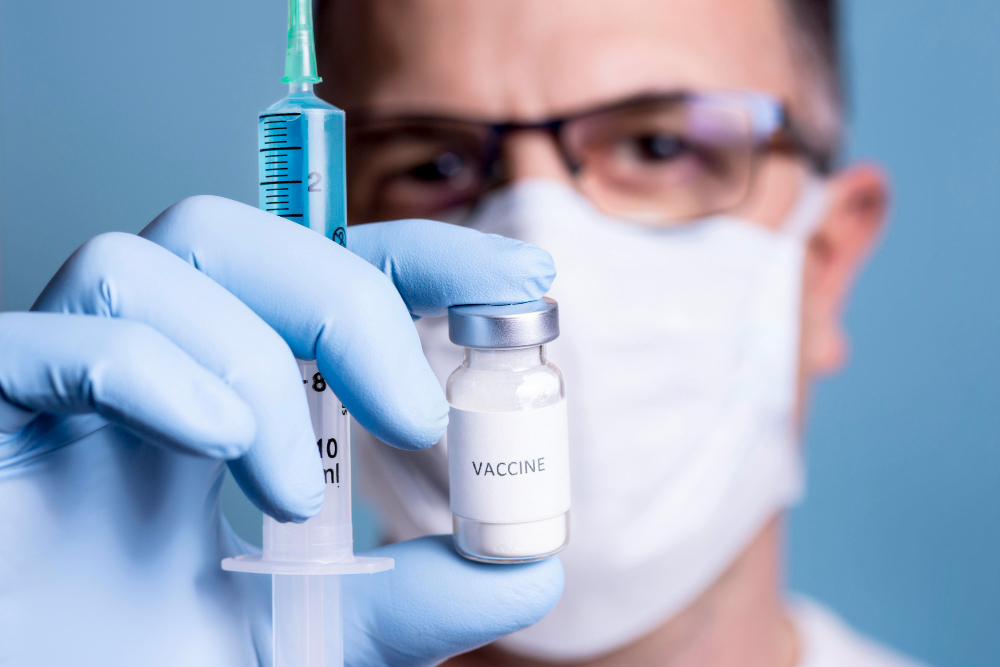
Number of Doses Required and When to Boost

High-Risk Areas for Pneumonia

Pneumonia is not restricted to specific countries, tropical climates, or travel zones; it is a global health issue found in every country and community worldwide. However, certain environments and populations face significantly elevated risk:

  • Global Distribution: It affects vulnerable populations everywhere, particularly during winter months and cold seasons when respiratory viruses circulate widely.

  • High-Risk Settings: Hospitals and long-term care facilities (where healthcare-associated pneumonia can occur), crowded living conditions, and regions with high levels of air pollution or inadequate access to healthcare.

Frequently Asked Questions

Do I need to repeat the pneumonia vaccination every year like the flu jab?
Unlike the annual flu vaccine, the pneumococcal polysaccharide vaccine often provides long-lasting protection with a single dose for most adults, though your clinician will advise if a booster is clinically indicated.
Who is most eligible for or benefits most from the pneumococcal vaccine?
Adults aged 65 and over, as well as individuals of any age with chronic respiratory, cardiac, renal, or immune conditions, benefit substantially from this protection.
Can I receive my pneumonia vaccine at the same time as my annual winter flu jab?
Yes. They can be safely administered during the same appointment in different arms, providing convenient, comprehensive winter health defence.
What types of pneumonia vaccines are available?
There are two main types of pneumococcal vaccines used to protect against infections caused by Streptococcus pneumoniae bacteria:Pneumococcal Conjugate Vaccine (PCV - e.g., Prevenar 13): Protects against 13 types of pneumococcal bacteria and is commonly given to infants, children, and increasingly recommended for adults.Pneumococcal Polysaccharide Vaccine (PPV - e.g., Pneumovax 23): Protects against 23 types of pneumococcal bacteria and is primarily recommended for older adults and individuals with underlying health conditions.
Who is eligible for the pneumonia vaccine?
Older Adults: Routinely recommended for adults aged 65 and older, as the immune system naturally weakens with age, increasing susceptibility to severe pneumococcal disease.At-Risk Individuals: Recommended for individuals of any age (from 2 years onward) with chronic conditions such as chronic heart, lung, kidney, or liver disease, diabetes, immunosuppression, or asplenia (absence of a spleen).Infants: Administered as part of standard childhood immunisation programs.
How is the pneumonia vaccine administered and how many doses are needed?
Administration: Given as a single injection into the muscle of the upper arm.Dose Schedule:For most healthy older adults, a single dose of PPV23 provides broad coverage.In certain cases, or for individuals with high-risk medical conditions, a combination schedule starting with PCV13 followed by PPV23 (given at least 8 weeks apart) may be recommended by your healthcare provider.
Do I need a booster dose of the pneumonia vaccine?
PPV23 Booster: For the 23-valent polysaccharide vaccine, routine lifetime boosters are not given to most people. However, a single booster dose may be recommended after 5 years for individuals with specific high-risk conditions (such as asplenia or severe kidney disease) where antibody levels decline faster.PCV13: Typically administered as a one-time dose in adulthood if indicated.
What are the common side effects of the vaccine?
Side effects are generally mild and clear up within a few days. They can include:Pain, swelling, redness, or tenderness at the injection site in the arm.A mild, low-grade fever or feeling generally tired.Mild muscle aches or headache.

Book Now

Loading...

Ready for Your Next Adventure?

Don’t leave your health to chance. Secure your peace of mind and get ready to enjoy your trip to the fullest.
×