
Whooping Cough Vaccination
Whooping cough (pertussis) is a highly contagious, vaccine-preventable acute respiratory infection caused by the bacterium Bordetella pertussis. It produces powerful toxins that damage the cilia (tiny hair-like structures) in the respiratory tract, causing severe inflammation and thick mucus buildup. It is one of the most easily transmitted airborne bacterial diseases, spreading rapidly through shared indoor environments.
Primary Transmission Routes
Airborne Respiratory Droplets: The primary transmission route is inhaling microscopic respiratory droplets projected into the air when an infected person coughs, sneezes, or talks.
Direct Contact with Nasal or Throat Secretions: The bacteria can spread through direct contact with infectious secretions, such as kissing or sharing eating utensils, cups, or water bottles.
Household and Family Spread: Because early symptoms mimic a mild common cold, infected individuals often unknowingly transmit the bacteria to unimmunised family members, infants, or close contacts before a characteristic coughing fit develops.
Common Symptoms
Symptoms typically appear 7 to 10 days after exposure and progress through distinct stages over several weeks:
Catarrhal Stage (First 1 to 2 weeks): Resembles a standard cold with a runny nose, mild sore throat, occasional low-grade fever, and a mild, occasional cough.
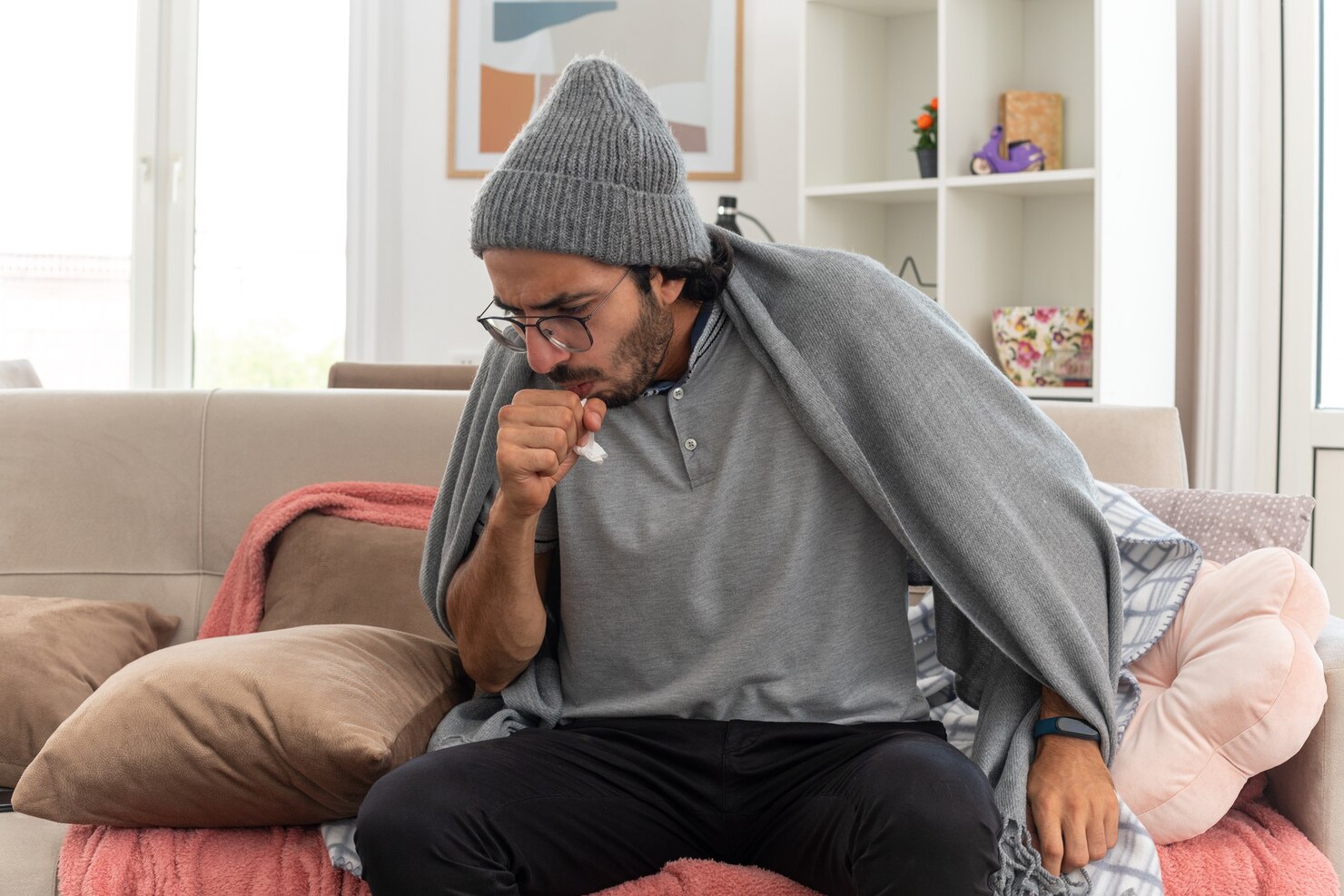
Paroxysmal Stage (Weeks 2 to 6+): The cough worsens into severe, rapid, and uncontrollable coughing fits. These fits often end with a long, desperate gasp for air that produces a high-pitched "whoop" sound. Fits can trigger vomiting, turning red or blue from lack of oxygen, and extreme exhaustion.
Convalescent Stage: Coughing fits gradually become less frequent and severe, though a lingering cough can persist for several weeks or months.
Note: Infants under six months old frequently do not make the characteristic "whoop" sound and may instead experience life-threatening pauses in breathing (apnoea) or turn blue, requiring emergency medical care.
Prevention and Protection
Because whooping cough can cause severe respiratory distress and dangerous complications in infants and vulnerable adults, proactive defense is crucial:
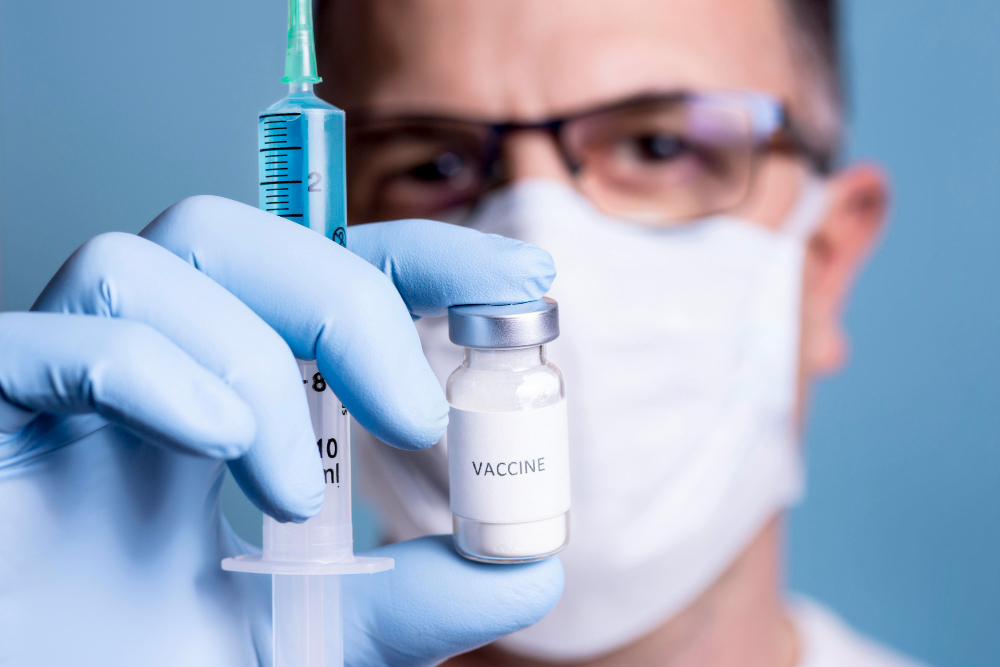
Pertussis-Containing Vaccination: Getting a booster vaccination (such as the combined Diphtheria, Tetanus, and Polio/Pertussis vaccine) at Murrayfield Pharmacy provides active, high-level protection. Vaccination is especially vital for pregnant women (to protect newborns) and caregivers.
Respiratory Hygiene: Cover your mouth and nose when coughing or sneezing, wash your hands frequently with soap and water, and avoid close contact with infants if you have an unexplained or lingering cough.

Service Price
Whooping Cough Vaccine
£80 Per doseNumber of Doses Required and When to Boost
Primary Course: Children receive a full primary immunisation series during infancy as part of routine childhood vaccination schedules.
Boosters:
During Pregnancy: A single booster dose is recommended during every pregnancy (optimally between 16 and 32 weeks) to pass protective antibodies to the baby before birth.
Adult Boosters: Adults who have not had a pertussis booster in adulthood—or those travelling, working with infants, or planning to welcome a new baby—should receive a single booster dose. Routine adult boosters are often recommended every 10 years alongside tetanus boosters.
High-Risk Areas for Whooping Cough
Whooping cough is endemic worldwide and is not restricted to specific tropical or developing countries; cyclical outbreaks occur globally every few years in both developed and developing nations due to waning natural immunity. High-risk settings include:
Households and Nurseries: Close family units, daycares, and schools where young, unimmunised, or partially immunised children congregate.
Healthcare and Community Settings: Wards, care facilities, and crowded indoor environments where vulnerable infants or elderly populations reside.
Frequently Asked Questions
