

115 Corstorphine Rd, Edinburgh EH12 5PZ, UK

Call us : 0131 337 5100

Travel vaccinations

Yellow Fever Vaccination Service

Official ICV-certified yellow fever centre providing instant documentation for endemic destinations. Get authorized immunisation from our 5 Star Rated expert team at Murrayfield Pharmacy, open today.
Why Patients Choose Us for Yellow Fever Care

5 Star Rated Expert Team

Your care is overseen by GPhC-registered clinicians at our premier Edinburgh Travel Clinic who understand varicella immunity and safety protocols inside and out.

Convenient Location & Open Today

Visit our private clinic suite for a same-day appointment or walk-in appointment when searching for a trusted clinic near me.

Discreet & Efficient

We respect your time. Book today or book now to enjoy a private, professional consultation with zero primary care bottlenecks.

Regulated & Authentic

Every vaccine we supply is 100% authentic, cold-chain compliant, and fully traceable.

Yellow Fever Vaccination

Yellow Fever Vaccination

Authorised administration of the official Yellow Fever vaccine, complete with internationally recognised ICVP documentation for legal border entry.

Yellow fever is an acute, potentially severe, and vaccine-preventable viral haemorrhagic disease caused by the yellow fever virus (a flavivirus). It is transmitted exclusively through the bites of infected mosquitoes in tropical and subtropical regions. It cannot be caught directly from another person through casual contact, air droplets, or food.

Primary Transmission Routes

  • Infected Mosquito Bites: The virus is passed to humans through the bite of infected mosquitoes. Depending on the region and cycle of transmission, the primary mosquito vectors include:

    • Aedes mosquitoes in urban and suburban settings (passing the virus between humans).

    • Haemagogus and Sabethes mosquitoes in jungle and forest environments (passing the virus primarily between non-human primates and occasionally biting humans who enter the forest).

  • Active Biting Hours: Unlike mosquitoes that transmit malaria at night, yellow fever vector mosquitoes are typically daytime biters, with peak activity during daylight hours, particularly in shaded or forest canopy areas.

  • Rare Transmission Routes: Very rare instances of transmission have occurred via blood transfusions, laboratory exposure, or vertically from an infected pregnant mother to her unborn child, but mosquito bites remain the overwhelming cause.

Common Symptoms

Once bitten by an infected mosquito, symptoms typically appear after an incubation period of 3 to 6 days. The illness often occurs in phases:

  • Acute Phase (Initial Stage): Sudden onset of high fever, chills, severe headache, general body aches, back pain, fatigue, nausea, and vomiting. Many people improve and recover completely after this initial phase.

  • Toxic Phase: Approximately 15% of patients enter a more severe toxic phase within 24 hours of recovering from initial symptoms. Signs include high fever returning, abdominal pain, vomiting (sometimes containing blood), jaundice (yellowing of the skin and eyes due to liver damage), dark urine, and bleeding from the nose, mouth, or eyes.

Note: The toxic phase is a medical emergency with a high fatality rate, making pre-travel vaccination critical for anyone entering endemic zones.

Prevention and Protection

Because yellow fever can cause rapid organ failure and has no specific antiviral cure, proactive defense is essential:

  1. Yellow Fever Vaccination: Getting the official Yellow Fever Vaccine provides highly effective, lifelong active immunity with a single dose. For many countries, a valid International Certificate of Vaccination or Prophylaxis (ICVP) is a mandatory legal entry requirement.

  2. Strict Daytime Mosquito Bite Avoidance:

    • Apply high-strength DEET-based insect repellent to all exposed skin throughout the day.

    • Wear light-colored, long-sleeved shirts, long trousers, and socks when outdoors in wooded or tropical areas.

    • Stay in accommodations equipped with window screens, air conditioning, or bed nets.

Prevention and Protection

Service Price

Yellow Fever Vaccine
ÂŁ75 Per dose
The Yellow Fever vaccine offers lifelong protection. The certificate is valid 10 days after vaccination. You must book at least 10 days before travel.
PRICE
ÂŁ 75/ dose

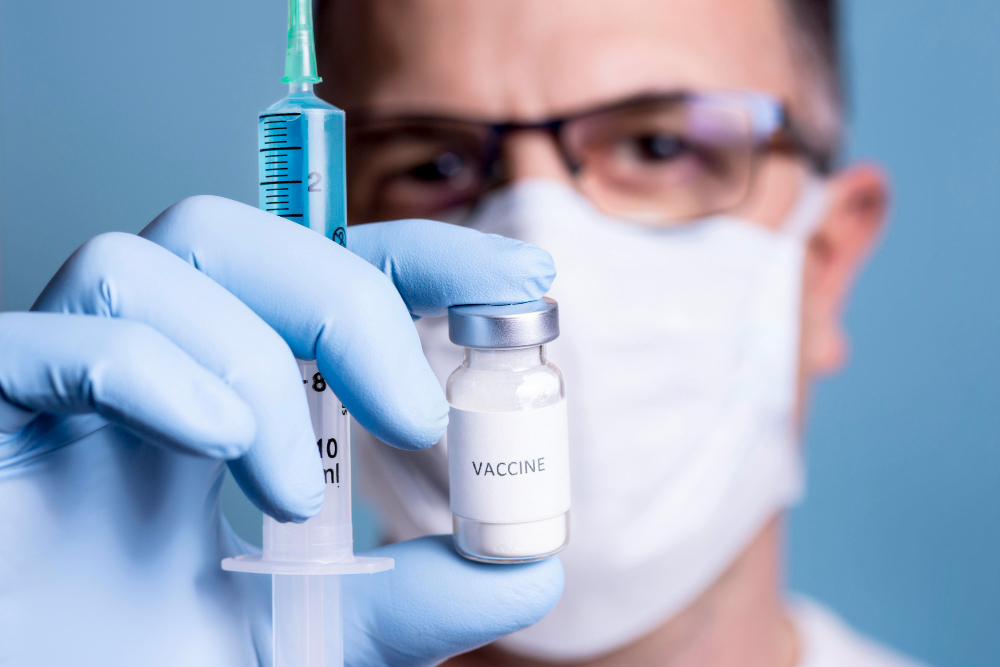
Number of Doses Required and When to Boost

  • Primary Course: The standard immunisation schedule consists of a single primary dose administered subcutaneously or intramuscularly at least 10 days before travel to allow protective antibodies to develop.

  • Boosters:

    • According to World Health Organization (WHO) international health regulations, a single dose provides lifelong protection, and routine booster doses are not required for the vast majority of travellers.

    • Rare exceptions requiring a booster dose (such as pregnant women vaccinated during a previous trip who are travelling again, or certain immunocompromised individuals) are evaluated on a strict case-by-case basis.
Number of Doses Required and When to Boost

High-Risk Areas for Yellow Fever

Yellow fever is endemic in tropical regions of Africa and Central/South America:

  • Sub-Saharan Africa: Widespread across vast tropical belts, including countries such as Angola, Democratic Republic of the Congo, Nigeria, Ghana, Senegal, and Uganda.

  • Central and South America: Endemic tropical forested regions in countries such as Brazil, Colombia, Peru, Bolivia, Ecuador, and parts of the Caribbean (specifically Trinidad).

  • Regions Free of Yellow Fever: Asia, Australia, and parts of the Pacific are currently free of the virus, but many of these countries enforce strict entry requirements demanding proof of yellow fever vaccination if you are arriving from an endemic nation.

Frequently Asked Questions

Is the Yellow Fever certificate valid immediately after receiving the injection?
By international health regulations, the ICVP certificate becomes legally valid 10 days after the date the vaccine is administered.
Do I need to get a booster shot of the Yellow Fever vaccine every 10 years?
No. Under WHO international health regulations, a single dose of the Yellow Fever vaccine provides lifelong protection for the vast majority of travellers and does not require routine revaccination.
What happens if I lose my yellow fever ICVP certificate card while travelling?
Because certificates are tracked under official designation records, we advise keeping digital copies, but replacement documentation must be handled carefully through authorised centres.
What is yellow fever and how is it transmitted?
Yellow fever is a serious, potentially fatal viral hemorrhagic disease caused by the yellow fever virus. It is transmitted to humans primarily through the bite of infected mosquitoes (specifically Aedes and Haemagogus species) in tropical and subtropical areas of Africa and Central and South America.
Who should get the yellow fever vaccine?
Travellers to Endemic Areas: Anyone travelling to or living in areas with a risk of yellow fever transmission.Country Entry Requirements: Many countries require proof of yellow fever vaccination (recorded on an International Certificate of Vaccination or Prophylaxis (ICVP) or "Yellow Card") as a condition for entry, especially if you are arriving from an infected country, even if you only transited through the airport.
How is the vaccine administered and when does it become valid?
Administration: It is given as a single injection subcutaneously (under the skin) or intramuscularly.Validity: Under international health regulations, the yellow fever vaccine becomes valid 10 days after administration. This is the time your body needs to develop protective antibodies and for the official International Certificate of Vaccination to become legally active for travel entry requirements.
How long does protection last?
A single dose of the yellow fever vaccine provides lifelong protection for the vast majority of people. Under updated World Health Organization (WHO) regulations, booster doses are generally no longer required for international travel entry, and your original certificate remains valid for life. (Rare exceptions apply for certain individuals with specific medical conditions or pregnant women who were vaccinated when immunity was uncertain).
Who should avoid the yellow fever vaccine?
Because it is a live attenuated (weakened) vaccine, it is not suitable for everyone. It should be avoided or deferred by:Infants under 9 months of age (except in rare outbreak situations where risk is exceptionally high).Pregnant and breastfeeding women (unless travel to an endemic area is unavoidable and risk of exposure is high).Individuals with severe allergies to vaccine components (such as egg protein, as the vaccine is grown in chick embryos).Anyone with severe immunodeficiency (such as untreated HIV or individuals on immunosuppressive medications).
What are the common side effects of the vaccine?
Side effects are generally mild, though some localized or systemic reactions can occur:Pain, redness, or swelling at the injection site.Mild headache, muscle aches, or low-grade fever.Feeling generally tired for a few days post-vaccination.

Book Now

Loading...

Ready for Your Next Adventure?

Don’t leave your health to chance. Secure your peace of mind and get ready to enjoy your trip to the fullest.
×