
115 Corstorphine Rd, Edinburgh EH12 5PZ, UK

Call us : 0131 337 5100

Travel vaccinations

Malaria Tablets

precisely to your travel itinerary. Protect your health abroad with guidance from our 5 Star Rated expert team at Murrayfield Pharmacy, open today.
Why Patients Choose Us for Malaria Prevention

5 Star Rated Expert Team

Your care is overseen by GPhC-registered clinicians at our premier Edinburgh Travel Clinic who understand varicella immunity and safety protocols inside and out.

Convenient Location & Open Today

Visit our private clinic suite for a same-day appointment or walk-in appointment when searching for a trusted clinic near me.

Discreet & Efficient

We respect your time. Book today or book now to enjoy a private, professional consultation with zero primary care bottlenecks.

Regulated & Authentic

Every vaccine we supply is 100% authentic, cold-chain compliant, and fully traceable.

Prescription Antimalarial Medication & Prevention

Prescription Antimalarial Medication & Prevention

Protect against life-threatening parasitic infections with expert clinical prescribing of Atovaquone/Proguanil, Doxycycline, and tailored risk advice.

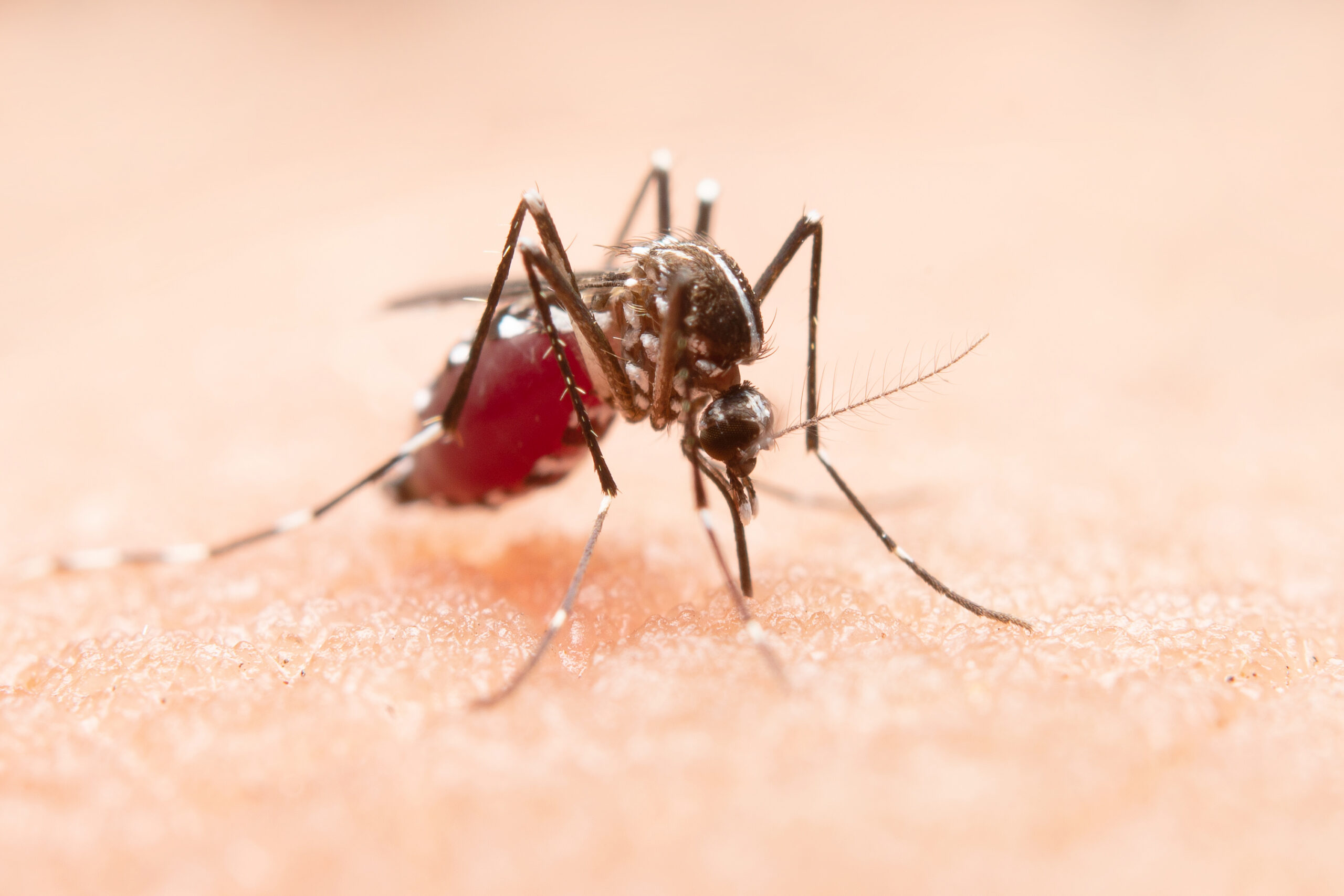
Malaria is a serious, life-threatening tropical parasitic disease caused by microscopic single-celled Plasmodium parasites. It is not transmitted directly from person to person through casual contact, respiratory droplets, or food. Instead, the infection is acquired exclusively through the bite of an infected female Anopheles mosquito, which introduces the parasites into the human bloodstream where they travel to and multiply within the liver before invading red blood cells.

Primary Transmission Routes

  • Infected Mosquito Bites: The primary transmission route is the bite of an infected female Anopheles mosquito. Unlike daytime-biting mosquitoes that transmit dengue, Anopheles mosquitoes are crepuscular and nocturnal feeders, with peak biting activity occurring from dusk through the night until dawn.

  • Rare Transmission Routes: In very rare cases, malaria can be transmitted via blood transfusions, organ transplantation, sharing contaminated needles, or vertically from an infected pregnant mother to her unborn child (congenital malaria).

Common Symptoms

Symptoms of malaria typically appear between 7 to 30 days following an infective mosquito bite, though certain species can lie dormant in the liver and cause illness months later. Common signs include:

  • Sudden high fever, shaking chills, and profuse sweating cycles.

  • Severe headache, fatigue, nausea, and vomiting.

  • Muscle aches, general body pain, and abdominal discomfort.

  • Anaemia and jaundice (yellowing of the skin and whites of the eyes) in more pronounced or severe cases.

Note: Malaria is a medical emergency. If left untreated, certain strains (such as Plasmodium falciparum) can rapidly progress to severe complications, organ failure, and fatal outcomes within hours.

Prevention and Protection

Because malaria can escalate rapidly and there is no 100% effective vaccine for all travellers, protection relies heavily on the ABCDE approach (Awareness, Bite prevention, Chemoprophylaxis/Tablets, Diagnosis, and Early treatment):

  1. Malaria Tablets (Chemoprophylaxis): Taking prescription anti-malarial tablets (such as Atovaquone/Proguanil, Doxycycline, or Mefloquine) tailored to your destination significantly suppresses the parasite and prevents infection if you are bitten.

  2. Rigorous Nighttime Bite Avoidance: Because the vector mosquitoes feed after dark, physical barriers are vital:

    • Apply high-strength DEET-based insect repellent to all exposed skin from dusk onwards.

    • Wear long-sleeved clothing, long trousers, and socks after sunset.

    • Sleep under an insecticide-treated bed net (ITN) if your accommodation lacks air conditioning or secure window screens.

Prevention and Protection

Service Price

Antimalaria Tablets
ÂŁ3 Per Tablet
During your consultation, our travel specialist will explain which antimalarial drugs are suitable for you and the pros and cons of each type and advise you on how to minimize your risk of mosquito bites and other appropriate precautions for your travel.
PRICE
ÂŁ 3/ Tablet

Number of Doses Required and When to Boost

Unlike standard vaccines, malaria tablets are oral medications taken as a preventative course before, during, and after travel:

  • Dosing Schedule: The exact regimen depends entirely on the specific medication prescribed:

    • Atovaquone-Proguanil (Malarone): Taken daily, starting 1 to 2 days before entering the risk area, continuing every day throughout your stay, and for 7 days after leaving the risk area.

    • Doxycycline: Taken daily, starting 1 to 2 days before travel, continuing daily during your trip, and for 4 weeks after leaving the risk area.

    • Mefloquine: Taken weekly, starting 3 weeks before travel, continuing once a week while away, and for 4 weeks after leaving the risk area.

  • Boosters: Malaria tablets do not function like vaccines and do not require long-term immune booster shots; instead, a fresh preventative course must be taken for every new trip to a malaria-endemic region.
Number of Doses Required and When to Boost

High-Risk Areas for Malaria

Malaria is endemic in tropical and subtropical regions across the globe. High-risk zones include:

  • Sub-Saharan Africa: Bears the vast majority of the global malaria burden, with high transmission rates across West, Central, East, and Southern Africa.

  • South and Southeast Asia: Rural and forested regions across parts of India, Indonesia, Myanmar, Cambodia, Vietnam, and Laos.

  • Central and South America: Select tropical rainforest and rural agricultural regions in countries like the Amazon basin (Brazil, Peru, Venezuela, and Colombia).

  • Parts of Oc

Frequently Asked Questions

Do I need to start taking my malaria tablets before I leave the UK?
Yes. Depending on the specific medication prescribed (such as Atovaquone/Proguanil), you typically need to start taking tablets 1 to 2 days before entering a malarious zone, and continue them for a set period after leaving.
Which malaria tablets are best, and how do I choose between them?
The choice depends on your destination, medical history, duration of travel, and personal side-effect tolerances. Our clinical pharmacist reviews these factors to recommend the optimal choice for you.
Do I need to continue taking malaria tablets after I return home to the UK?
Yes. You must continue taking your medication for a set number of weeks after leaving the risk area (e.g. 7 days for Atovaquone/Proguanil) to eliminate any parasites that may have entered your bloodstream during your trip.
How do I know which malaria tablets are right for me?
There is no single "best" tablet because the choice depends heavily on your travel destination, the specific strains of malaria present there, your medical history, any current medications you take, and potential side effects. Common options include Atovaquone-Proguanil (Malarone), Doxycycline, and Mefloquine. A travel health consultation is essential to select the safest and most effective option for your trip.
When should I start taking my malaria tablets?
Timing varies depending on the specific medication prescribed:Atovaquone-Proguanil: Typically started 1 to 2 days before entering the malaria-endemic area.Doxycycline: Usually started 1 to 2 days before travel.Mefloquine: Must be started 2 to 3 weeks before departure to check for any adverse side effects and build up adequate blood levels.
How long do I need to keep taking them after I leave the risk area?
You must continue taking your tablets for a specified period after leaving the malaria-endemic zone to protect against parasites that may have entered your system during your stay:Atovaquone-Proguanil: Continue taking them for 7 days after leaving.Doxycycline and Mefloquine: Continue taking them for 4 weeks after leaving.
Do malaria tablets provide 100% protection?
No. No malaria medication is 100% effective. Tablets significantly reduce your risk of contracting severe illness, but they must always be used alongside strict bite prevention measures (such as using DEET insect repellent, wearing long sleeves and trousers after dusk, and sleeping under an insecticide-treated bed net).
What should I do if I develop a fever during or after my trip?
Fever during travel or even up to a year after returning home is a medical emergency. You must seek urgent medical evaluation immediately and inform the doctor that you have travelled to a malaria-endemic region, even if you took your preventative tablets perfectly.

Book Now

Loading...

Ready for Your Next Adventure?

Don’t leave your health to chance. Secure your peace of mind and get ready to enjoy your trip to the fullest.
×