
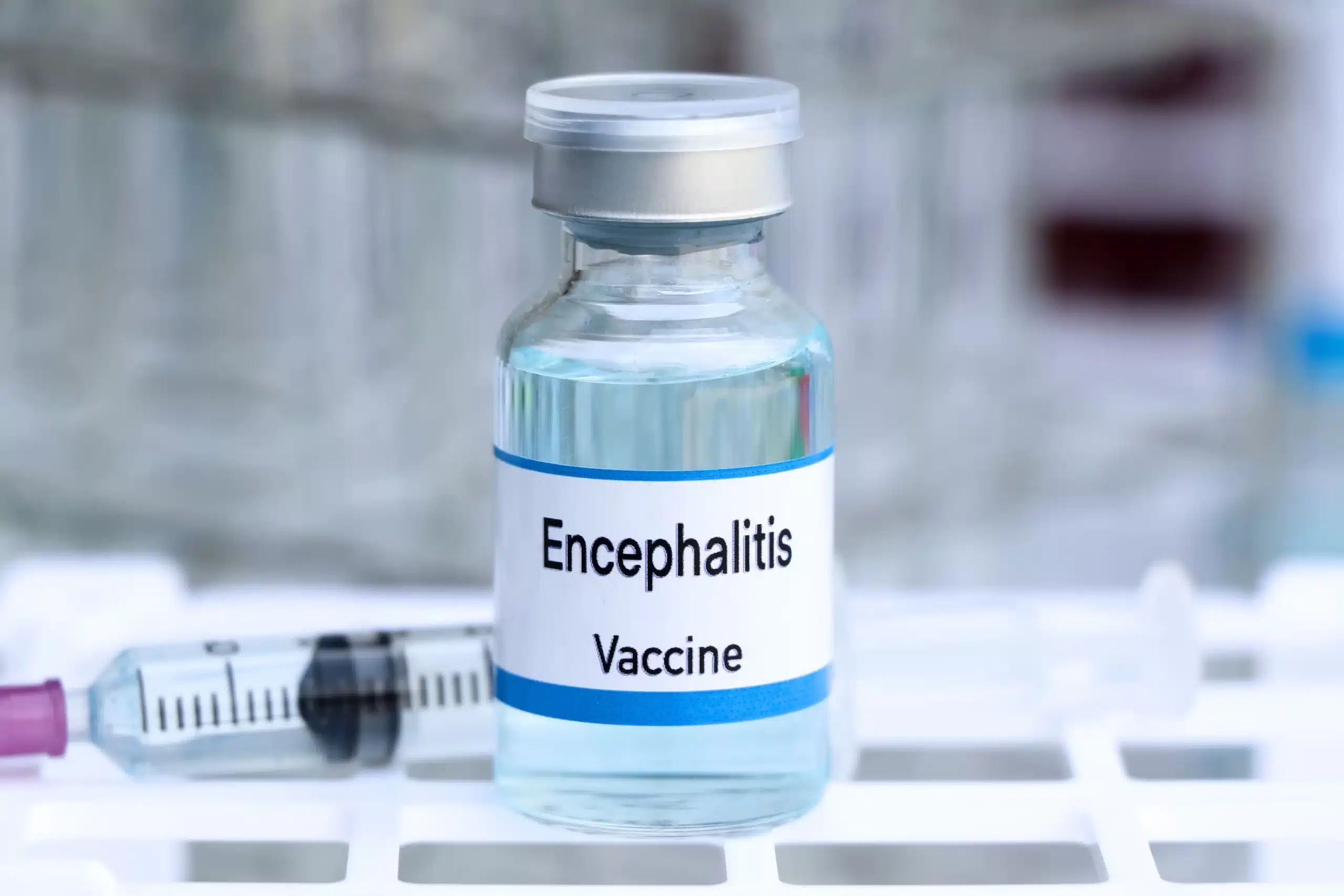
Japanese Encephalitis Vaccination Service
Japanese Encephalitis (JE) is a serious, vaccine-preventable viral infection that attacks the central nervous system, potentially causing severe brain inflammation, long-term neurological damage, or fatal outcomes. It is caused by a flavivirus spread through the bite of infected mosquitoes. The virus is maintained in a natural transmission cycle primarily involving waterbirds and pigs, making rural agricultural settings the main hotspots for exposure.
Primary Transmission Routes
Mosquito Bites: The virus is transmitted to humans through the bite of infected mosquitoes—most notably Culex tritaeniorhynchus. Unlike daytime-biting mosquitoes that spread dengue or chikungunya, these mosquitoes are primarily evening and night biters, with peak feeding activity occurring from dusk until dawn.
Rural Agricultural Habitats: The primary vectors breed prolifically in flooded rice paddies, irrigation channels, and standing water associated with pig farming and agricultural cultivation. Consequently, travellers spending time in rural farming or wetland regions face the highest risk.
Rare Transmission Routes: Japanese encephalitis cannot be caught directly from another person through casual contact, air droplets, or food. In extremely rare instances, laboratory accidents or blood-related exposures can occur, but mosquito bites remain the exclusive vector of concern for travellers.
Common Symptoms
Many people infected with Japanese encephalitis experience mild, flu-like symptoms or no symptoms at all. However, when the virus invades the central nervous system, severe disease can develop after an incubation period of 5 to 15 days. Common signs of severe infection include:
Sudden onset of high fever, severe headache, and chills.
Profound disorientation, confusion, agitation, or altered mental status.
Neck stiffness, tremors, seizures (particularly in children), and progressive neurological impairment.
Muscle weakness or paralysis mimicking conditions like polio.
Note: While most cases resolve with mild illness, severe encephalitis carries a high mortality rate, and up to half of survivors suffer permanent neurological, psychiatric, or cognitive consequences.
Prevention and Protection
Because Japanese encephalitis carries a risk of severe neurological damage and there is no specific antiviral cure once the infection takes hold, proactive immunisation and bite prevention are vital:
Japanese Encephalitis Vaccination: Getting the private Japanese Encephalitis Vaccine course at Murrayfield Pharmacy builds robust, long-term antibody protection before you depart. It is especially recommended for expatriates, long-stay travellers, backpackers, and anyone planning outdoor evening activities in rural endemic zones.
Rigorous Nighttime Bite Avoidance: Because the vector mosquitoes feed actively after dark, strict physical protection is essential:
Apply high-strength DEET-based insect repellent to all exposed skin during evening and nighttime hours.
Wear long-sleeved shirts, long trousers, and socks after dusk.
Sleep in air-conditioned, fully screened rooms or under insecticide-treated bed nets if accommodation lacks sealed windows.

Service Price
Japanese Encephalitis Vaccine
£115 Per doseNumber of Doses Required and When to Boost
Primary Course: The standard adult and child primary immunisation schedule consists of two doses administered intramuscularly, typically given 28 days apart. For rapid protection when time is limited, an accelerated schedule (days 0 and 7) can be used for adults aged 18 to 65.
Boosters:
For travellers at ongoing or continued risk, a first booster dose is recommended 12 to 24 months after the primary course (often ideally before 12 months for high-risk individuals).
Subsequent booster doses may be required for individuals who remain at continuous long-term risk of exposure, as evaluated during your clinical consultation.
High-Risk Areas for Japanese Encephalitis
Japanese encephalitis is endemic across large parts of Asia and the Western Pacific. High-risk regions include:
South and Southeast Asia: Widespread across rural agricultural regions in countries such as India, Thailand, Vietnam, Cambodia, Laos, Myanmar, Nepal, and the Philippines.
East Asia: Rural and agricultural zones in China, Japan, South Korea, Taiwan, and parts of the Russian Far East.
Northern and Eastern Australia: Periodic outbreaks and established transmission zones in rural parts of northern Queensland and remote Torres Strait islands.
Frequently Asked Questions
