

Hepatitis B Vaccination
Hepatitis B is a serious, vaccine-preventable viral infection that attacks and severely impacts the liver, potentially leading to chronic liver disease, cirrhosis, or liver cancer if left unmanaged. It is transmitted when infectious blood, semen, or other bodily fluids from an infected person enter the body of someone who is not protected. Unlike hepatitis A, hepatitis B is not spread through food, water, or casual contact like sharing utensils or holding hands.
Primary Transmission Routes
Unprotected Sexual Contact: Having vaginal, anal, or oral sex with an infected partner without using barrier contraception like condoms.
Blood-to-Blood Contact: Sharing contaminated needles, syringes, or drug-injection equipment. It can also occur through unsterilized equipment used for tattoos, body piercing, acupuncture, or traditional ritual scarification.
Medical & Dental Procedures Abroad: Receiving medical, surgical, or dental treatments in countries where sterilization protocols or infection control standards are poor, or via accidental needle-stick injuries.
Mother-to-Child Transmission (Perinthal): Transmission from an infected mother to her newborn infant during childbirth.
Sharing Personal Care Items: Sharing items that may carry microscopic traces of infected blood or body fluids, such as razors, toothbrushes, or nail clippers.
Common Symptoms
Many people—especially young children—who contract hepatitis B experience no initial symptoms during the acute phase. When symptoms do appear (typically 60 to 150 days after exposure), they can include:
Sudden fatigue, lethargy, and profound weakness
Loss of appetite, nausea, and vomiting
Abdominal pain or discomfort, particularly around the upper right side near the liver
Joint pain and low-grade fever
Dark urine, pale or clay-colored stools, and jaundice (yellowing of the skin and whites of the eyes)
Note: While many healthy adults clear the virus naturally and develop lifelong immunity, up to 10% of adults and a much higher percentage of infected infants develop a chronic, long-term infection.
Prevention and Protection
Because chronic hepatitis B can lead to long-term liver damage, proactive defense is essential:
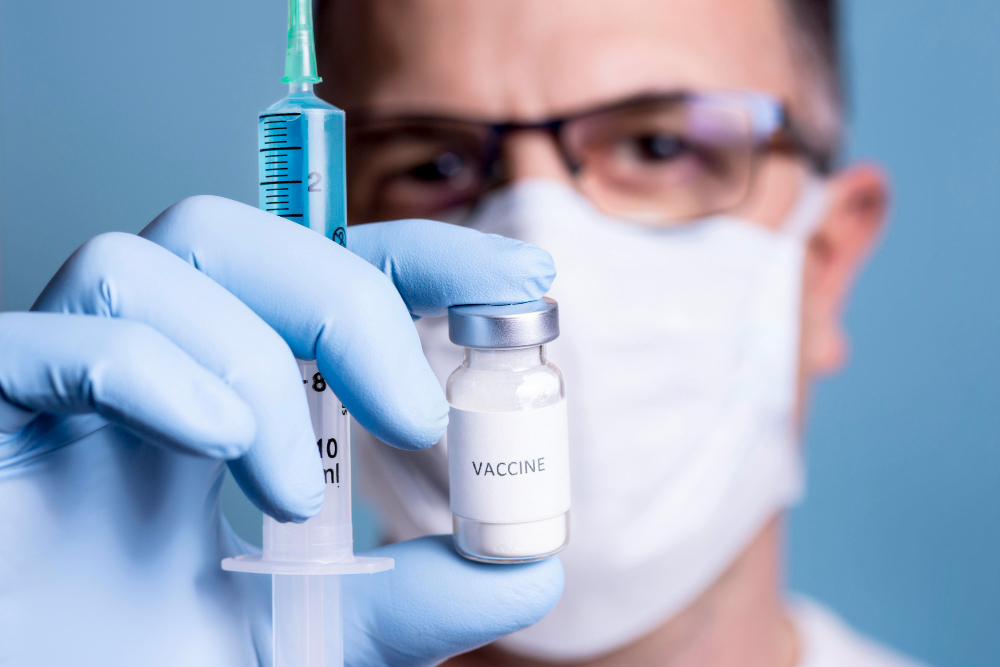
Hepatitis B Vaccination: Getting the complete private Hepatitis B 3-Dose Course at Murrayfield Pharmacy builds reliable, high-level antibody protection. For urgent travellers, accelerated dosing schedules can also be arranged.
Safe Practices & Risk Mitigation:
Always use barrier contraception (condoms) during sexual intercourse with new or unfamiliar partners.
Never share needles, syringes, or injection equipment.
Ensure any tattoos, piercings, or medical procedures abroad are performed using strictly sterilized, single-use equipment.
Avoid sharing personal hygiene items like razors or toothbrushes.

Service Price
Hepatitis B Vaccine
£60 Per doseNumber of Doses Required and When to Boost
Primary Course: The standard adult primary immunisation schedule consists of three doses administered intramuscularly, typically given at intervals of 0, 1, and 6 months (or an accelerated schedule for rapid protection, such as doses at days 0, 7, and 21, followed by a booster at 12 months).
Boosters:
For the general travelling population who complete a full primary course, routine booster doses are generally not required, as long-term protection persists.
Boosters or antibody blood tests (titre checks) may be recommended for individuals at ongoing occupational risk (such as healthcare workers) or those with compromised immune systems.
High-Risk Areas for Hepatitis B
Hepatitis B is found globally, but the prevalence and risk of chronic infection vary significantly by region:
High Endemicity Areas (8% or more prevalence): Parts of sub-Saharan Africa, Southeast Asia, the Western Pacific islands, and the Amazon basin.
Moderate Endemicity Areas (2% to 7% prevalence): Parts of Eastern and Southern Europe, the Middle East, Central Asia, and parts of Central and South America.
Low Endemicity Areas (less than 2% prevalence): Western and Northern Europe (including the UK), North America, and Australia, where routine screening and childhood immunisation programs are well established.
Frequently Asked Questions
